
National & Regional Disaster
Self-Sufficiency Programs
From Aid Dependency to Domestic Resilience
Climate Protection Lab works with climate-vulnerable countries and regions to build domestic disaster preparedness and response capacity, reducing reliance on slow, external aid flows. Rather than importing emergency relief after impact, CPL supports governments in developing locally owned, locally produced, and locally managed disaster aid systems — designed for speed, scale, and sovereignty.
In this way, disaster response becomes a part of the national infrastructure rather than an afterthought.
Why Self-Sufficiency Matters
Foreign aid is unpredictable, delayed, and often misaligned with local needs. In many climate-vulnerable regions, critical supplies arrive too late — or not at all — while repeated disasters deepen dependency and weaken local economies.
As climate impacts intensify, countries that rely exclusively on external aid face a compounding risk: slower recovery, higher costs, and permanent vulnerability. Self-sufficiency is not isolation — it is resilience.
Traditional aid systems react after collapse. CPL helps governments prepare before impact by shifting disaster response from dependency to durability, and from crisis management to climate protection.
How the Program Works
Domestic manufacturing of priority aid supplies.
Climate-resilient storage and stockpiling infrastructure.
Pre-approved emergency logistics and deployment protocols.
Integration with predictive risk and early-warning systems.
What This Delivers
Faster disaster response without waiting for international aid.
Reduced long-term recovery costs.
Stronger institutional readiness across ministries and agencies.
Greater national control over emergency planning and execution.
Who This Is For
The platform is designed to scale across regions, from individual cities to entire countries, while remaining adaptable to local contexts.
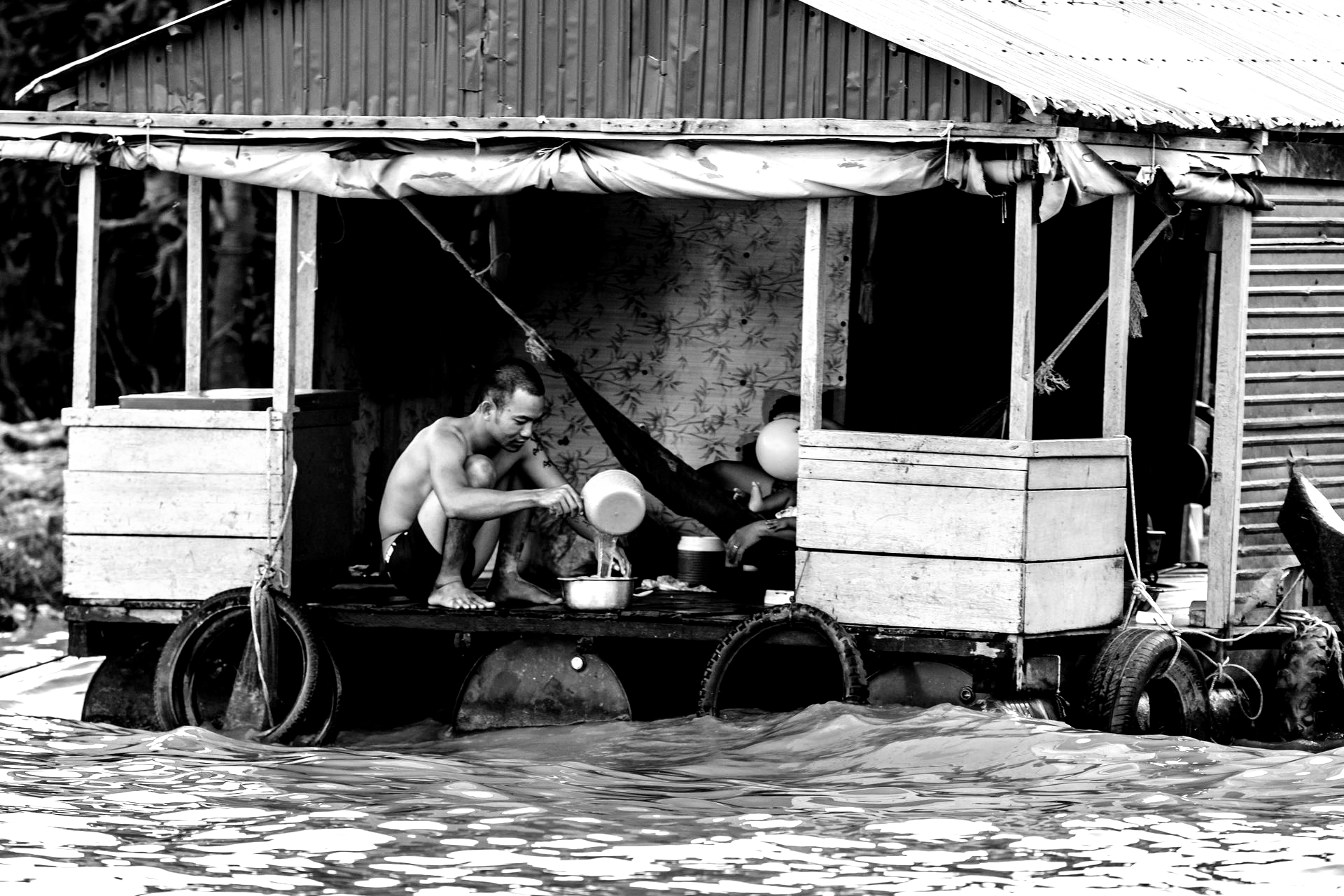
Climate Change-Vulnerable Countries
Governments seeking to reduce reliance on foreign aid and build durable, domestically managed disaster preparedness systems.
Local Disaster Agencies
Regional and municipal authorities responsible for frontline disaster planning, coordination, and rapid response capacity.
Development & Resilience Agencies
Institutions investing in long-term infrastructure, governance, and preparedness systems to strengthen climate resilience.
Frequently Asked Questions
Question would go here
This is the text area for this paragraph. To change it, simply click and start typing. Once you've added your content, you can customize its design by using different colors, fonts, font sizes and bullets.
Question would go here
This is the text area for this paragraph. To change it, simply click and start typing. Once you've added your content, you can customize its design by using different colors, fonts, font sizes and bullets.
Question would go here
This is the text area for this paragraph. To change it, simply click and start typing. Once you've added your content, you can customize its design by using different colors, fonts, font sizes and bullets.
Question would go here
This is the text area for this paragraph. To change it, simply click and start typing. Once you've added your content, you can customize its design by using different colors, fonts, font sizes and bullets.
Question would go here
Describe the item or answer the question so that site visitors who are interested get more information. You can emphasize this text with bullets, italics or bold, and add links.